
The influence of luck in the world of gambling
The Role of Luck in Gambling
Luck plays an undeniable role in gambling, often determining the fate of players with each turn of a card or spin of a wheel. Unlike skill-based games that require strategy and experience, many gambling activities rely heavily on chance. In a game of roulette, for instance, players place bets on where they believe the ball will land, but ultimately, it is the randomness of the wheel that dictates the outcome. This inherent unpredictability is what attracts many to the thrill of gambling. For those interested in mobile gaming, you can https://plinkoapp.ng/ to explore yet another exciting option.

Furthermore, the concept of luck can be subjective, varying from player to player. Some individuals may perceive themselves as lucky, often attributing their wins to fortunate circumstances, while others might feel perpetually unlucky. This psychological aspect can influence a player’s approach to betting, as those who consider themselves lucky may take more risks, believing that fortune favors them, whereas others may play conservatively out of fear of losing.
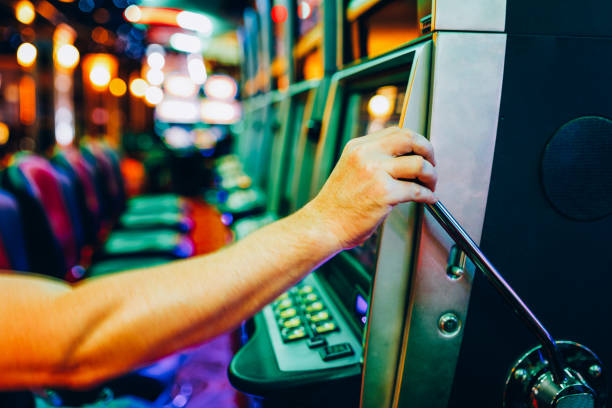
The gambling industry’s design often capitalizes on this notion of luck. Casinos and online platforms present games that are visually appealing and create an atmosphere of excitement, which can enhance the perception of luck among players. The incorporation of bright lights, celebratory sounds, and big wins contributes to a euphoric experience, making it easy for individuals to believe that luck is on their side.
Statistical Probability vs. Luck
While luck is a pivotal component of gambling, understanding statistical probability can offer valuable insights into how games are played. Each game has its own set of odds, which players can analyze to make informed decisions. For example, slot machines often have a predetermined payout percentage, meaning the more one plays, the more likely they are to lose over time, despite the lucky wins that may occur in between. Additionally, players interested in diversifying their options can download Plinko APK online to experience a fresh take on casual gaming.
Moreover, seasoned gamblers often rely on mathematical strategies to mitigate the randomness of luck. They might use techniques like the Martingale strategy or card counting in blackjack, aiming to turn the odds in their favor. However, even with such strategies, the element of luck remains, as no method can guarantee a win every time. This duality between chance and calculation creates a fascinating dynamic within the gambling world.
The intersection of statistical analysis and luck can also explain why certain players seem to win more consistently. These players often have a deeper understanding of the games they are playing, allowing them to make strategic decisions while also being fortunate enough to experience positive outcomes. Thus, while luck is significant, it often works best in tandem with knowledge and experience.
The Psychological Effects of Luck in Gambling
The belief in luck can profoundly impact a player’s mindset and behavior while gambling. Many gamblers subscribe to superstitions or rituals, convinced that these practices will enhance their luck. For instance, players may choose specific lucky numbers, wear certain clothing, or perform particular actions before betting, all in the hope of tipping the scales of fortune in their favor.
This psychological element can also lead to a phenomenon known as the “gambler’s fallacy,” where players believe that past outcomes will influence future results. For example, after a losing streak, a gambler may feel that they are “due” for a win, prompting them to increase their bets in anticipation of a lucky break. Unfortunately, this can lead to significant losses, illustrating how the belief in luck can cloud judgment.
Additionally, the experience of winning can lead to the “near-miss effect,” where players feel a surge of excitement from narrowly missing a win. This can encourage them to continue gambling, believing that luck is within reach. Thus, the psychology of luck plays a crucial role in keeping players engaged, despite the risks involved in gambling.
The Impact of Technology on Luck in Gambling
The evolution of technology has transformed the gambling landscape, introducing new forms of gaming that blend chance and skill. Online casinos, mobile gaming apps, and live dealer experiences have made gambling more accessible and varied than ever. These platforms often use sophisticated algorithms to determine outcomes, which may amplify the role of luck in virtual environments.
For instance, games like Plinko on mobile applications incorporate randomization in their mechanics, providing users with the opportunity to win real money based on their luck. The convenience of mobile gaming allows players to engage in these chance-based games from anywhere, increasing the potential for spontaneous betting, driven by the thrill of chance.
Furthermore, the integration of data analytics in online gambling platforms can offer insights into player behavior, allowing casinos to tailor experiences that exploit the belief in luck. This not only enhances the gambling experience but also reinforces the idea that luck is a constant factor in player success, making it an essential element of the modern gambling experience.
Exploring the Thrill of Luck in Online Gambling
As online gambling continues to rise in popularity, the influence of luck remains a central theme in attracting players. The ease of accessing various games and the potential for significant wins can create an exhilarating environment where luck is perceived as a driving force. Many players enjoy the rush of anticipation that accompanies each bet, reinforcing the idea that luck can change in an instant.
In particular, games that emphasize chance, such as slots and roulette, draw in a vast audience looking for fun and potential monetary rewards. Players are often enticed by the promise of big payouts, believing that with a little luck, they might hit the jackpot. This optimistic outlook encourages many to try their hand at different games, further perpetuating the cycle of gambling.
Ultimately, while luck is a significant factor in gambling, it operates within a complex framework of psychological influences and game mechanics. Understanding this interplay can enhance the gaming experience and promote responsible gambling practices, ensuring that players approach their luck with a balanced mindset.
Leave a Reply